

GREAT CARE IS OUR MISSION
Saint Francis Hospice is all about you. Your hopes for your life. About how and where you'd like to be cared for. Your love for everyone who is important to you.
All our staff are here to help you hold on to everything and everyone you love. You can count on us for specialist knowledge of illness, pain and symptom relief, dying and death.
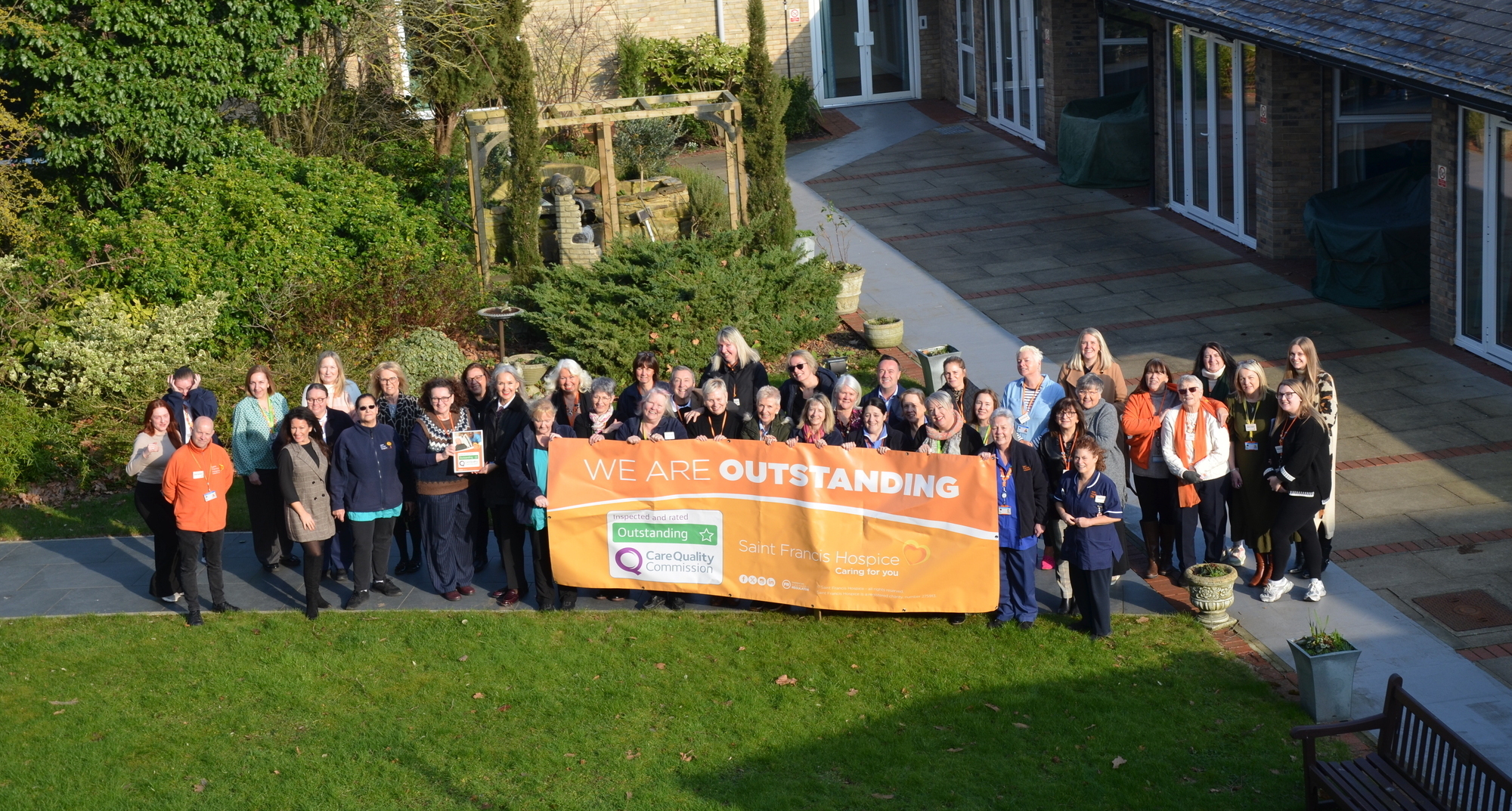
Saint Francis continues to be CQC Outstanding
Support for individuals in need
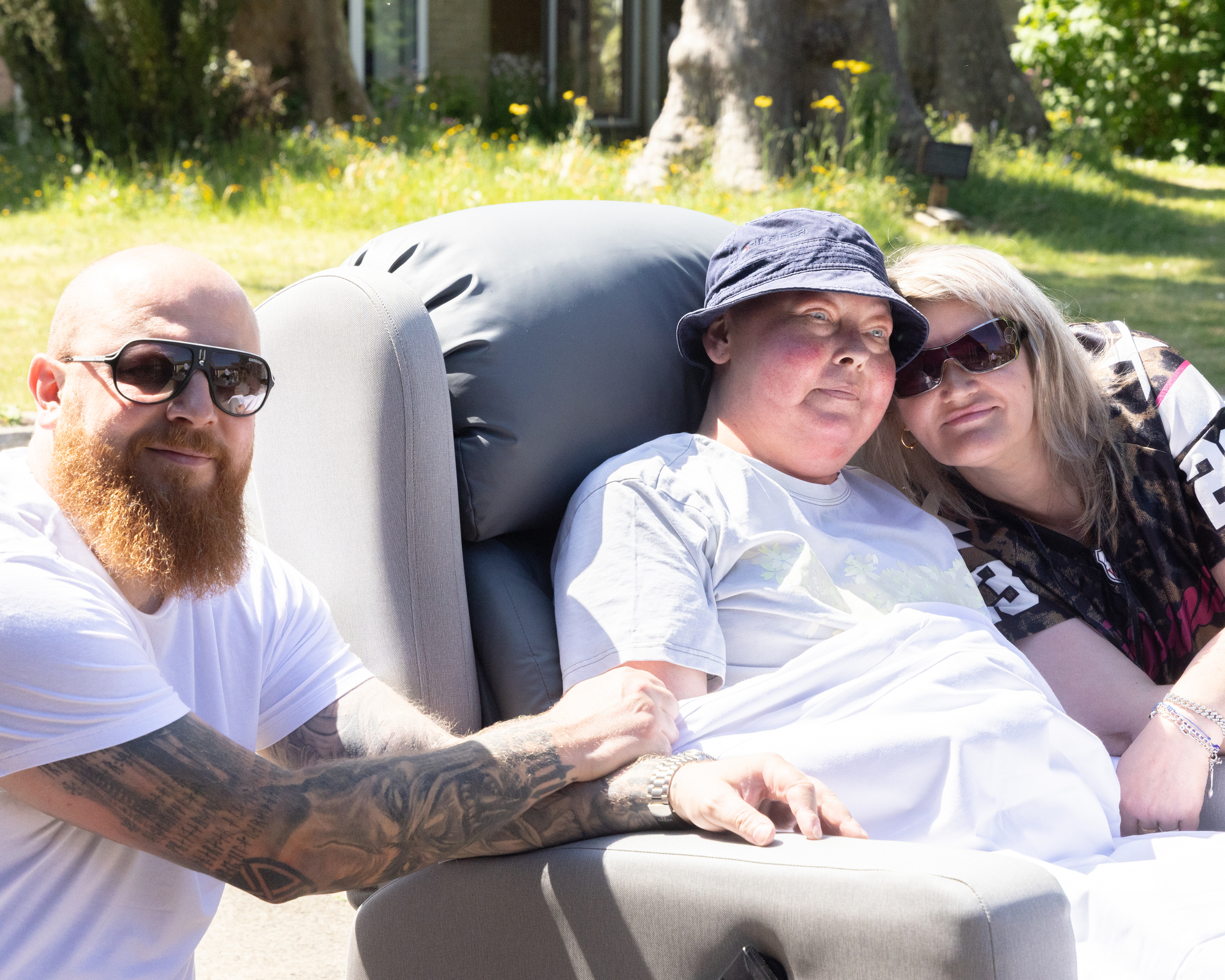
We care about you. Your well-being and what you want from life are what matters to us most.

Professional resources
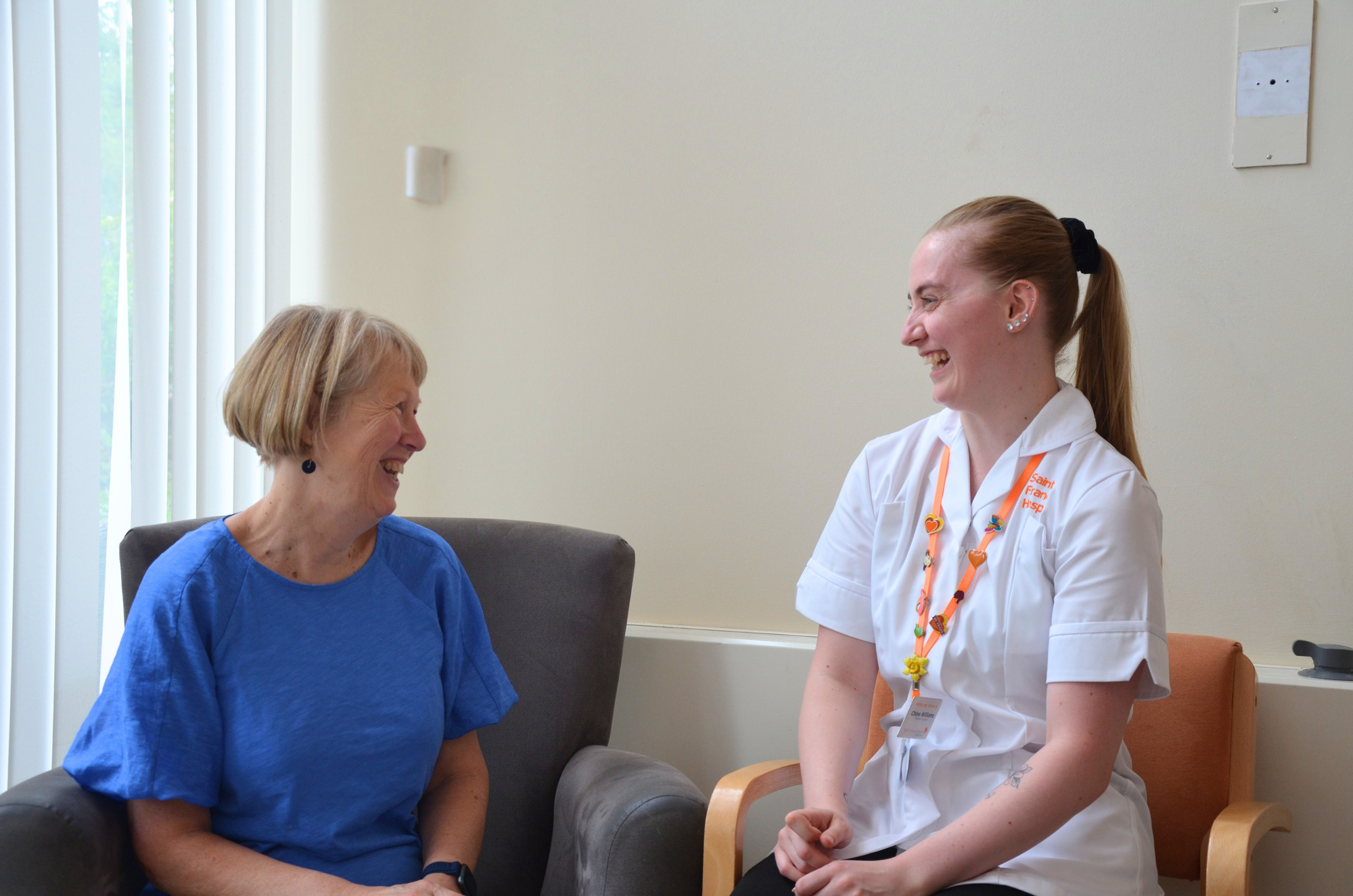
We support healthcare teams to make sure everyone has access to palliative care of the highest quality locally.
Make a referral

Upcoming Fundraising Events

Strictly Saint Francis 2026
How you can help us

Fundraise
There are so many ways you can help raise vital funds for the Hospice, and make a real difference while having fun!
Shop
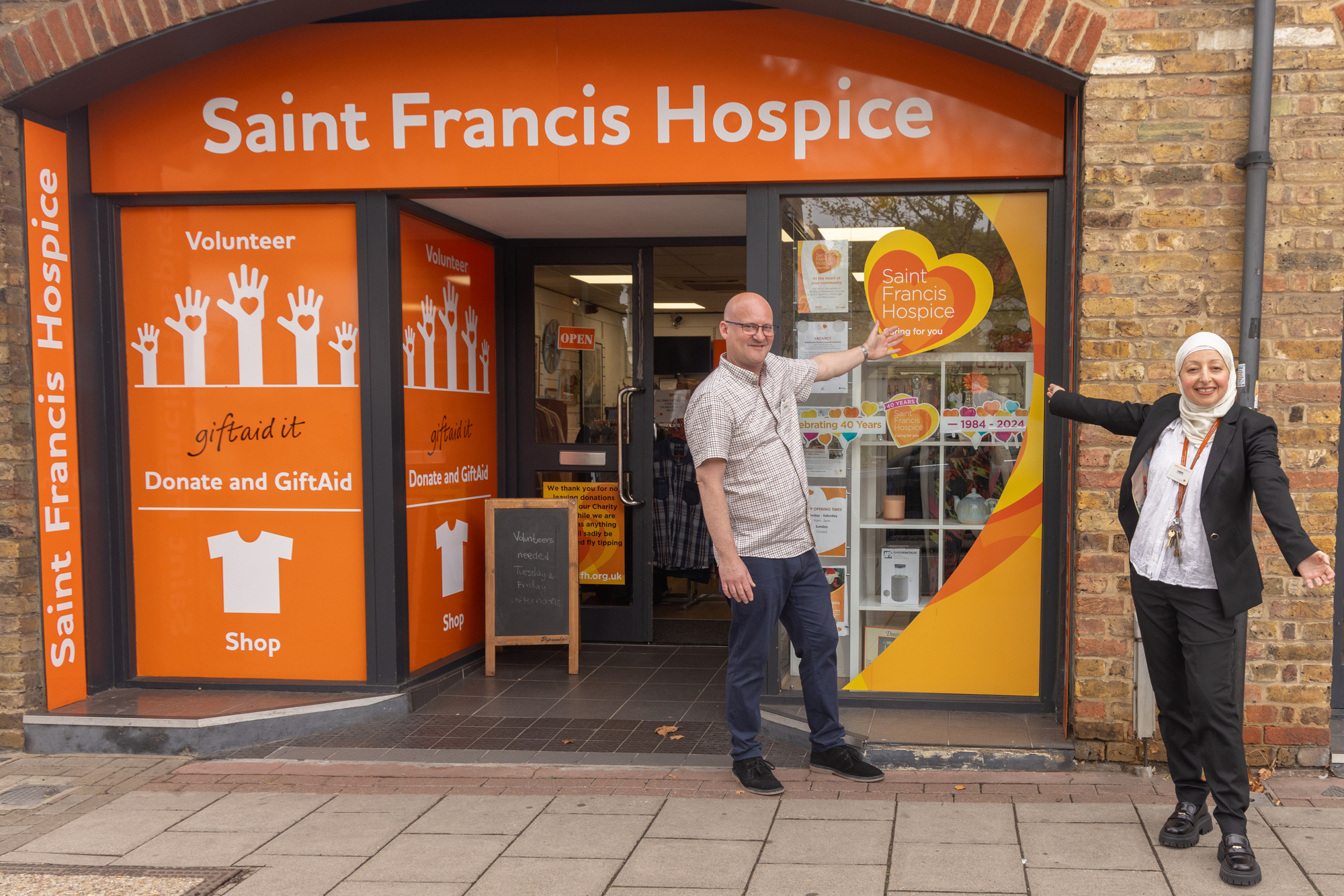
Find a great gift, save money, save the environment by choosing preloved, and change lives!
Volunteer
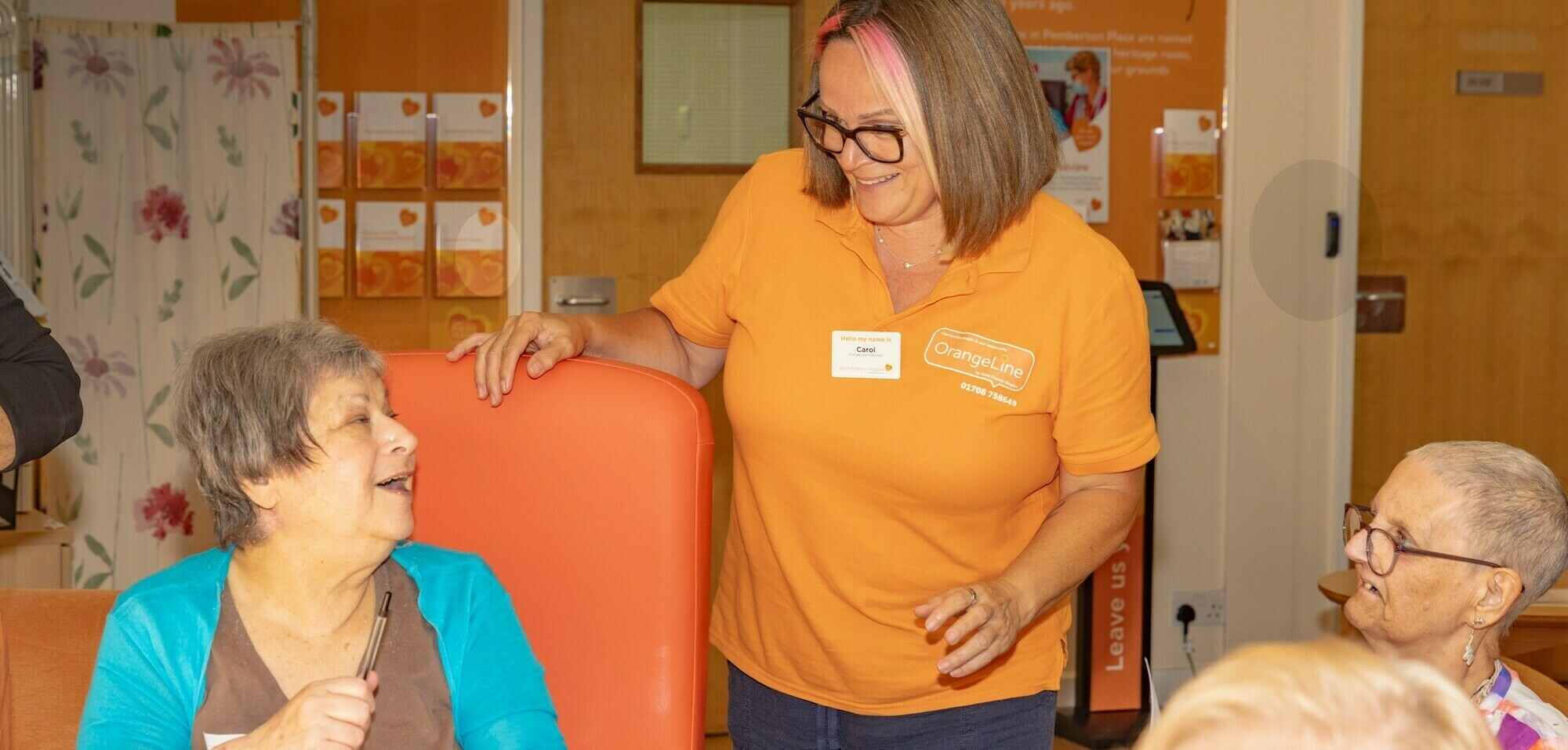
Join our team of committed volunteers. These wonderful people help us keep costs down and bring us huge joy.
Meet the people we've cared for

"You could see Nabeel was brighter just by being here."
Nabeel was admitted to the Hospice in 2019 and gave him and his family the support and space they needed to talk about dying without shame or fear.

"The Hospice gave us time to focus on being together."
Gabrielle describes her loved ones experience of hospice care, after her father Eddie was cared for by the Hospice in 2023.

"When the nurses arrived it was like an angel had descended."
Maisie Burke was cared for by our Hospice at Home team before she peacefully died at home with her family beside her.
Rated outstanding by the CQC, Saint Francis Hospice provides expert care for people in our community with palliative and end of life care needs.
We provide support and care for any person from any faith or cultural background diagnosed with a serious life-limiting illness and living in Havering, Barking and Dagenham, Redbridge, Brentwood or parts of West Essex. Saint Francis Hospice has been offering expert, compassionate advice and support for over 40 years.
We are proud to celebrate our 40th anniversary in 2024 with this video.
More ways to support
Sponsor a nurse
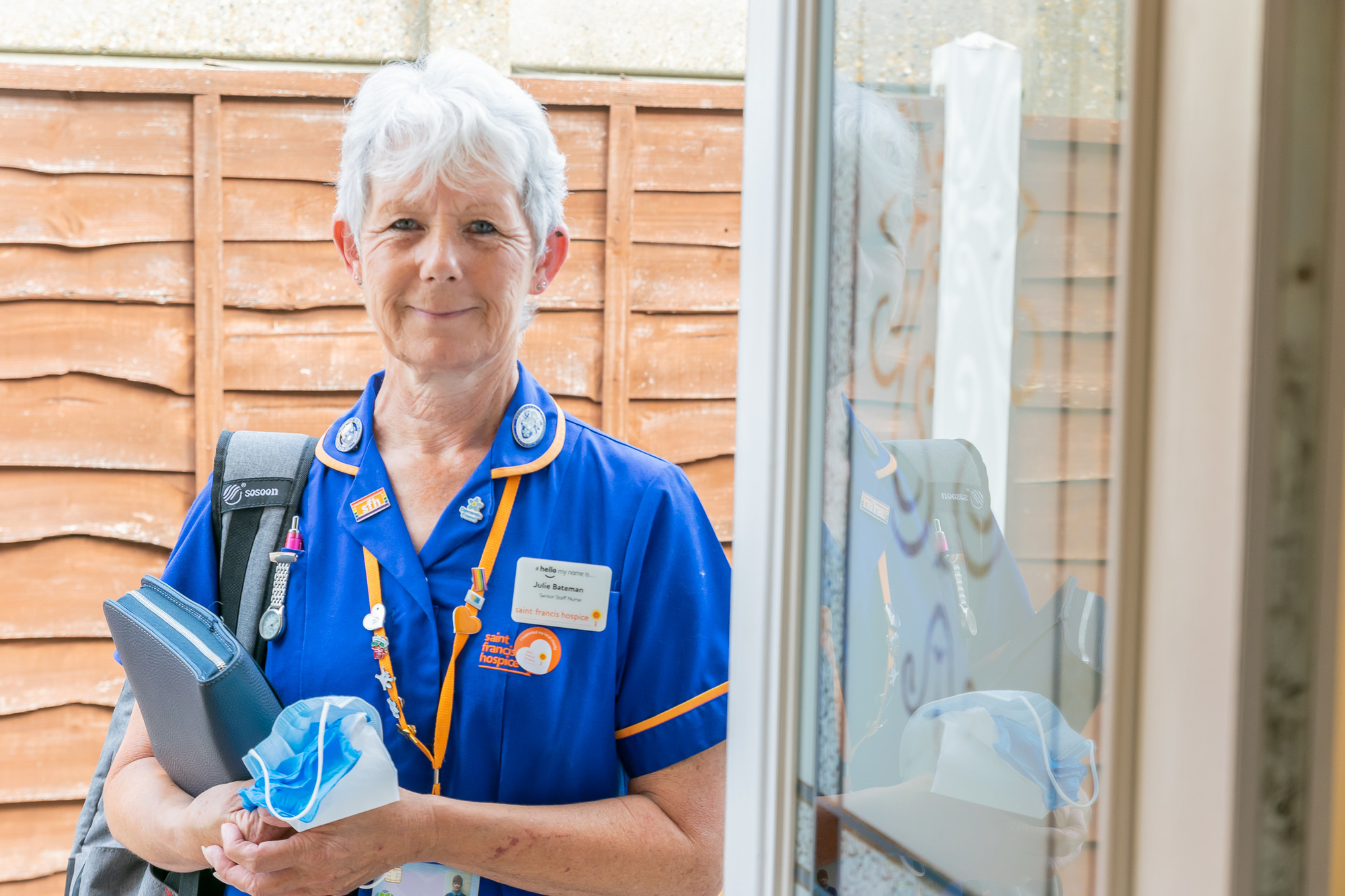
Help nurses like Julie provide vital care and support to people facing the end of life, and their loved ones.

Play the Lottery
Play our weekly lottery a chance to win our weekly cash prizes including a rollover prize of up to £10,000!

Join an event
Get Fitter. Be Faster. Go Further. Challenge yourself by taking on one of our many fundraising events.
Leave a gift in your Will
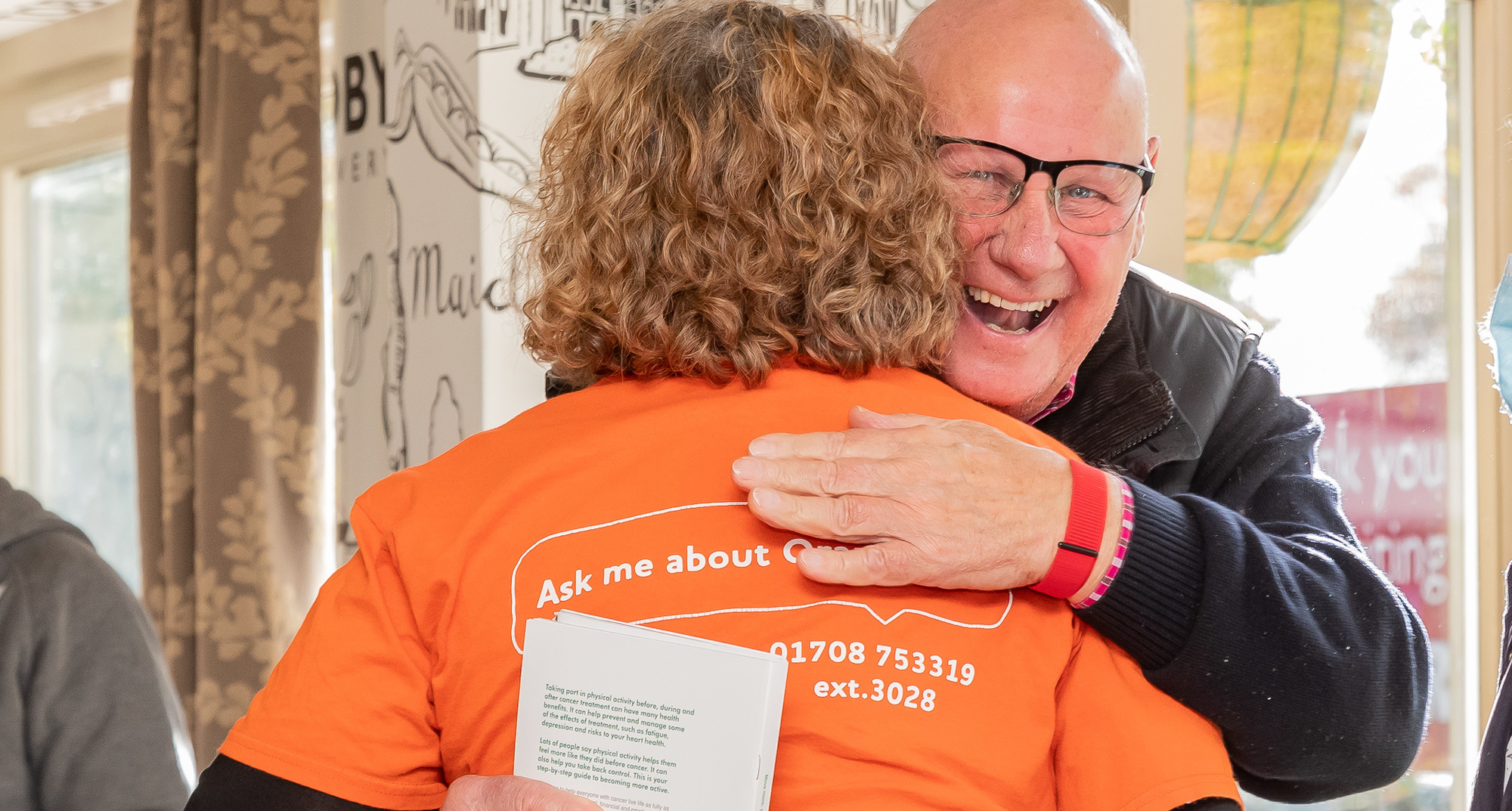
A gift in your Will brings the love and care of your local hospice to the people who need it most.

Work for us
We're the doctors, nurses, fundraisers, shop staff, and the people that keep our Hospice at the heart of our community.
Our CQC Rating
We are very proud to have been rated as Outstanding by the Care Quality Commission on their last visit. For more details, please click on the rating below.