
Gemma Bailey and why living with cerebral palsy does not define me

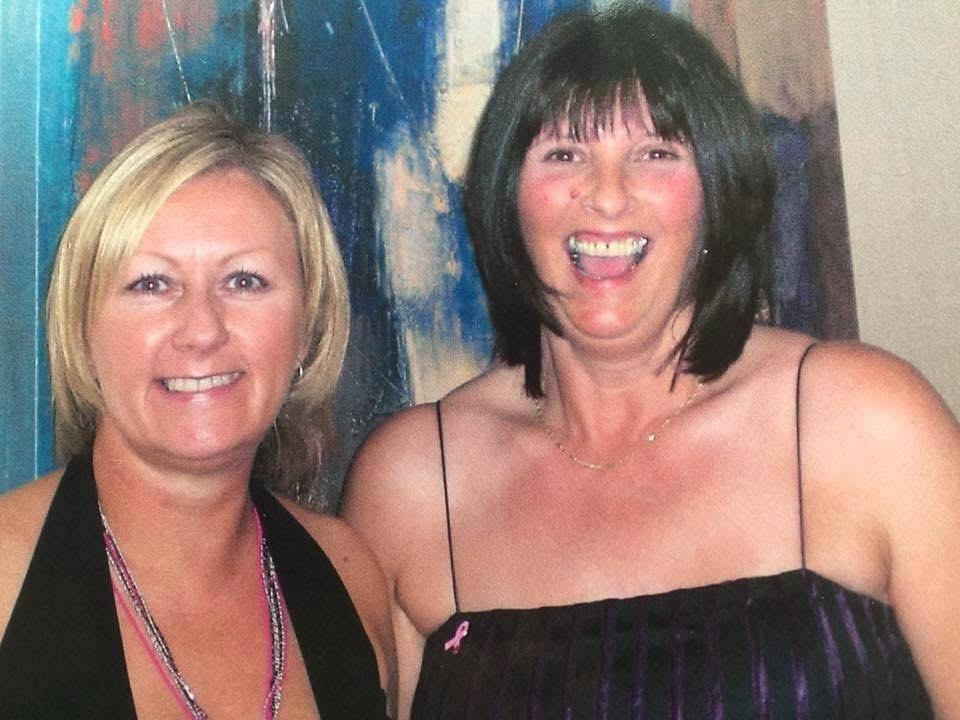
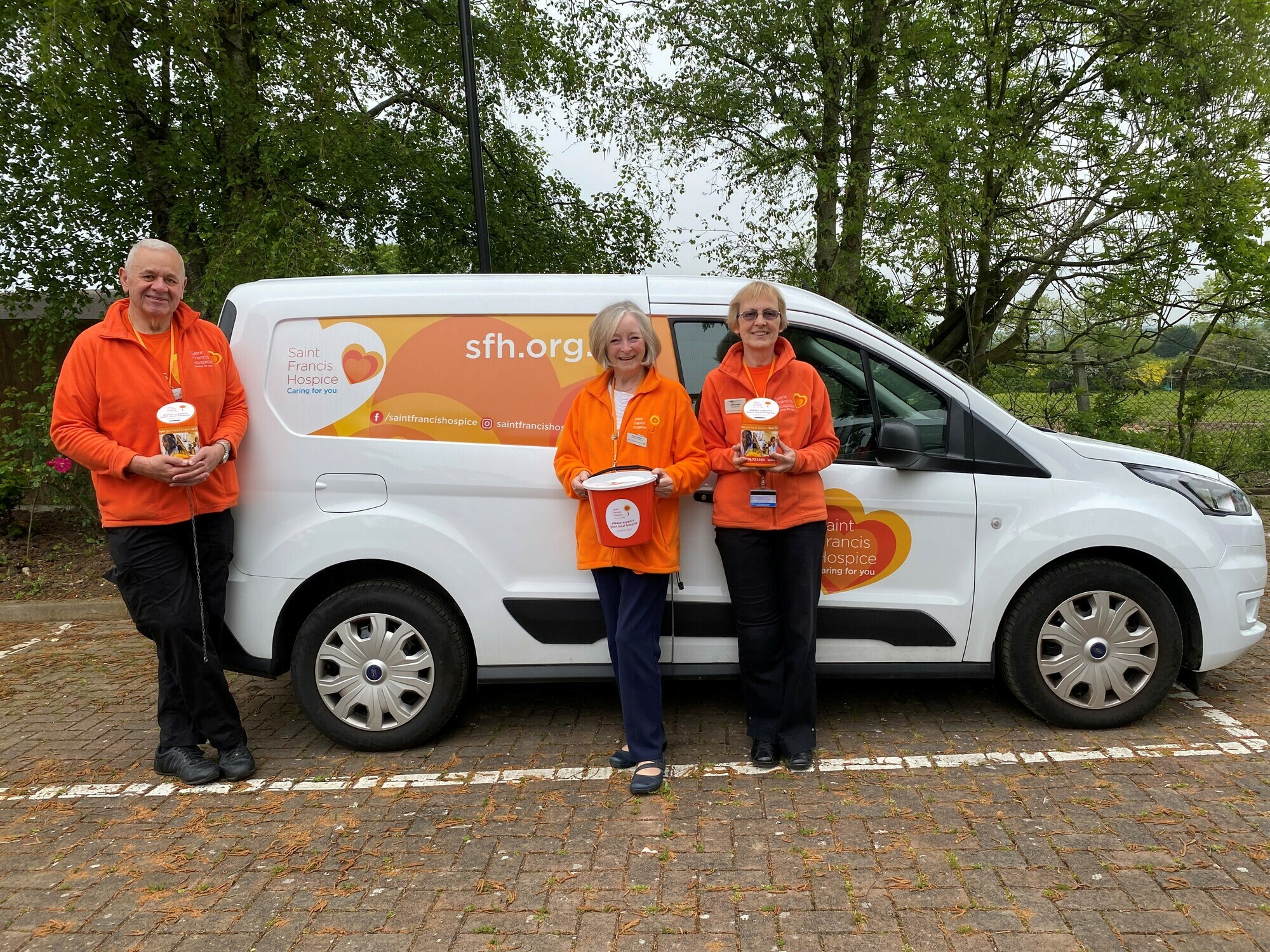
Gemma Bailey volunteers with the OrangeLine team at Saint Francis Hospice. To mark the International Day of Persons with Disabilities (3rd December), Gemma shares how living with cerebral palsy shapes, but does not define, her life, and why she hopes people will focus on what she can do rather than what she can’t.
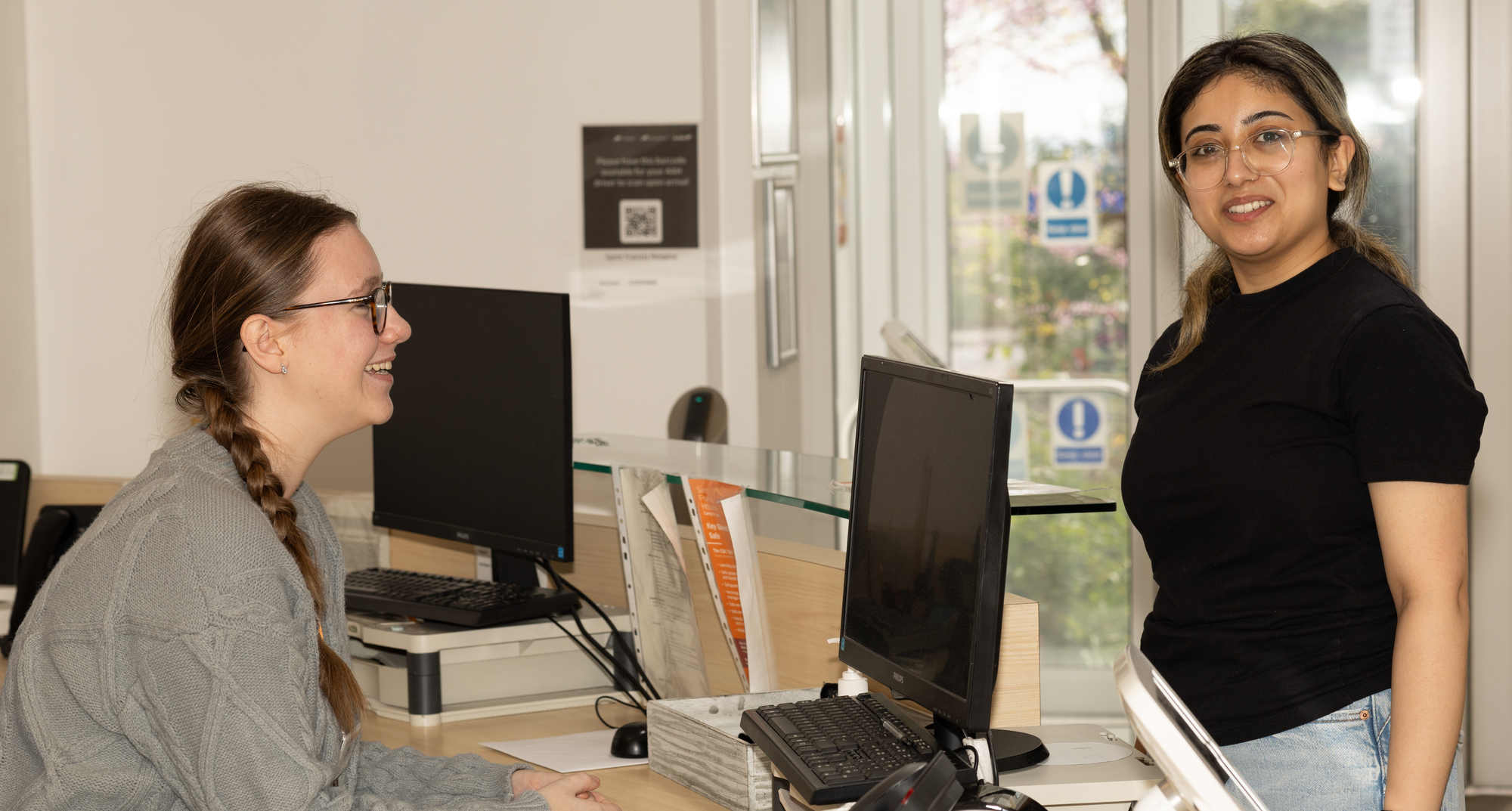
I have been part of the OrangeLine team at Saint Francis Hospice since it launched in 2016. OrangeLine is a confidential telephone service for people who may be feeling isolated or lonely and who simply need a friendly conversation. I started by making calls, but I soon discovered that I enjoyed the administrative side of the service even more. Karen, who leads the team, often tells me my attention to detail is excellent. I’ve always hoped to work in an office, and volunteering allows me to use my skills in a meaningful way.
Volunteering is also my way of giving back.
The hospice cared for my sister-in-law’s mum at the end of her life, and I wanted to support the charity that supported our family. People often ask why I choose to volunteer in a hospice, assuming it must be a sad place. If I had a pound for every time I’ve heard that, I’d be a millionaire. In reality, the hospice is full of warmth, compassion, and even joy. I also enjoy the social aspect and the sense of belonging that comes with being part of a team that supports others through some of their most difficult moments.
I was born with cerebral palsy, but my condition does not define who I am. I prefer people to meet me first, before they know anything about my disability, so they can see my abilities rather than make assumptions about my limitations. Cerebral palsy affects everyone differently. For me, it impacts my mobility, which has worsened in recent years, as well as my fine motor skills. That’s another reason why volunteering is so important to me: it offers the flexibility I need while allowing me to contribute in ways that matter.
I’ve faced many challenges throughout my life, particularly in education. When I was in college, I wanted to take a typing course, but I was told I wouldn’t be allowed to sit the exams because I couldn’t touch type. I took them anyway and I passed. The teacher later admitted she had got me wrong. I was determined to work in administration, even though people told me it would be difficult. In 2006, I got my first job with an HR team, and it was a milestone I will always be proud of.
Sadly, discrimination against disabled people is still all too common, and accessibility remains a major barrier. There is so much to consider before I go out: if there’s a lift, I need to know whether it’s working; many shops simply aren’t designed with wheelchair users in mind. Sometimes the changes needed are small, yet they can make a huge difference in ensuring disabled people are included.
My hope is for a society that sees the person first and gives everyone the opportunity to live their best life.
I have three young nephews, and they are wonderfully unfazed by the fact that their Auntie Gemma has legs that don’t work the same way as theirs. They tell me that my legs get tired but I can still play with them, and they absolutely love my electric wheelchair. When they grow up, I know they will treat people with disabilities with the same acceptance and kindness they show me.
Become a Golden Heartbeat